


What a $7.3 Million Retail Sale Says About OOH Advertising Value



What a $7.3 Million Retail Sale Says About OOH Advertising Value
The recent $7.3 million sale of a fully occupied retail building in Escondido, California, anchored by Dollar Tree and Big Blue Swim School, highlights that retail real estate value is closely linked to visibility, access, and repeated exposure. While stable tenants and lease structures matter, the surrounding traffic environment is crucial.
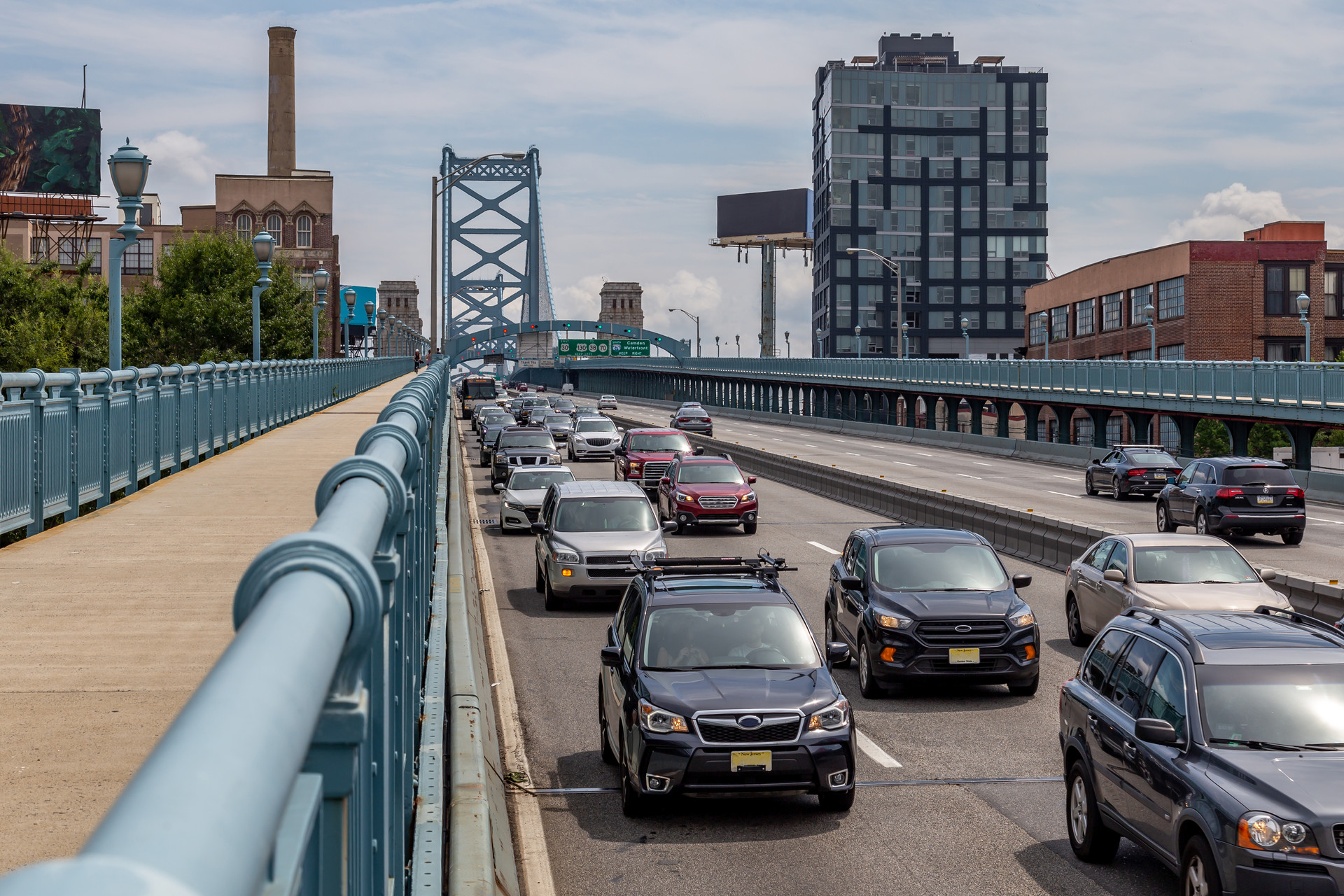
For Out-Of-Home (OOH) advertisers, traffic environment represents the advertising inventory. A retail corridor with steady vehicle flow, clear sightlines, and predictable peak times supports tenant performance and billboard value. However, not all traffic holds equal advertising value. High Annual Average Daily Traffic (AADT) does not necessarily mean longer viewing times, relevant audience composition, or fair pricing.
Ticon's C-Site Insight offers an advertising-focused traffic methodology that addresses these nuances.
OOH Needs More Than Vehicle Counts
Traditional OOH planning often begins by counting cars passing a location, but this is incomplete. Vehicle counts do not reveal if drivers move too quickly to absorb ads, whether the audience is local or transient, or during which times exposure is strongest.
Ticon's C-Site Insight for Advertising Industry analyzes year-round vehicle data to provide total traffic, local vs. transit traffic, seasonal and daily fluctuations, total viewing time, and viewing time distribution—key metrics for media buying and pricing.
Distinguishing local from transit traffic is vital near retail assets as local traffic often indicates recurring customers, enhancing OOH value. Transit traffic delivers impressions but may have less conversion value for nearby advertisers.
Viewing Time Is the Missing Metric in Billboard Valuation
Ticon emphasizes evaluating OOH performance based on drivers' viewing time, not just vehicle counts. Their methodology uses traffic speed and volume, including speed distribution in 15-minute intervals, to estimate viewing time.
Viewing time varies throughout the day; congested periods slow vehicles, increasing exposure. In Hartford, Connecticut, 95% of drivers had over 15 seconds to view a billboard, enough to see multiple digital ads during one interval.
This insight guides advertisers in creative strategy and helps media owners price digital billboard slots by hour.
Why Retail Corridors Are Especially Relevant for OOH
Retail real estate and OOH advertising both rely on repeated exposure to appropriate traffic at optimal times. C-Site supports retail investors in site appraisal and retailers in evaluating traffic's translation into visits, while helping OOH advertisers gauge attention and response potential.
C-Site provides precise, continuous 24/7 traffic data at the street-address level, updated within one week, critical for areas affected by dynamic factors like construction or seasonal shifts.
Precision at the road-section level is crucial because nearby billboards can have varying performance based on traffic speed, local trip share, or intersection cues.
Better OOH Pricing Starts With Time-Based Audience Quality
Traditional OOH pricing factors like location and traffic count do not fully capture audience quality. Ticon proposes pricing schemes based on "eyes" on the billboard, using viewing time and traffic speed-volume metrics for fairness and value accuracy.
This benefits advertisers by preventing overpayment where exposure is low and lets media owners justify higher rates during prime viewing periods. For digital OOH, it enables creative rotation and daypart pricing aligned with traffic patterns.
The strategy also assists retail tenants in timing promotions to match audience movement, such as after-work hours for discount retailers or school commute times for swim schools.
Demographics Complete the Picture
While traffic volume and viewing time explain exposure, demographics clarify relevance. Ticon's C-Site incorporates demographic data linked to traffic flows to help businesses understand who is passing by, supporting targeted advertising and retail decisions.