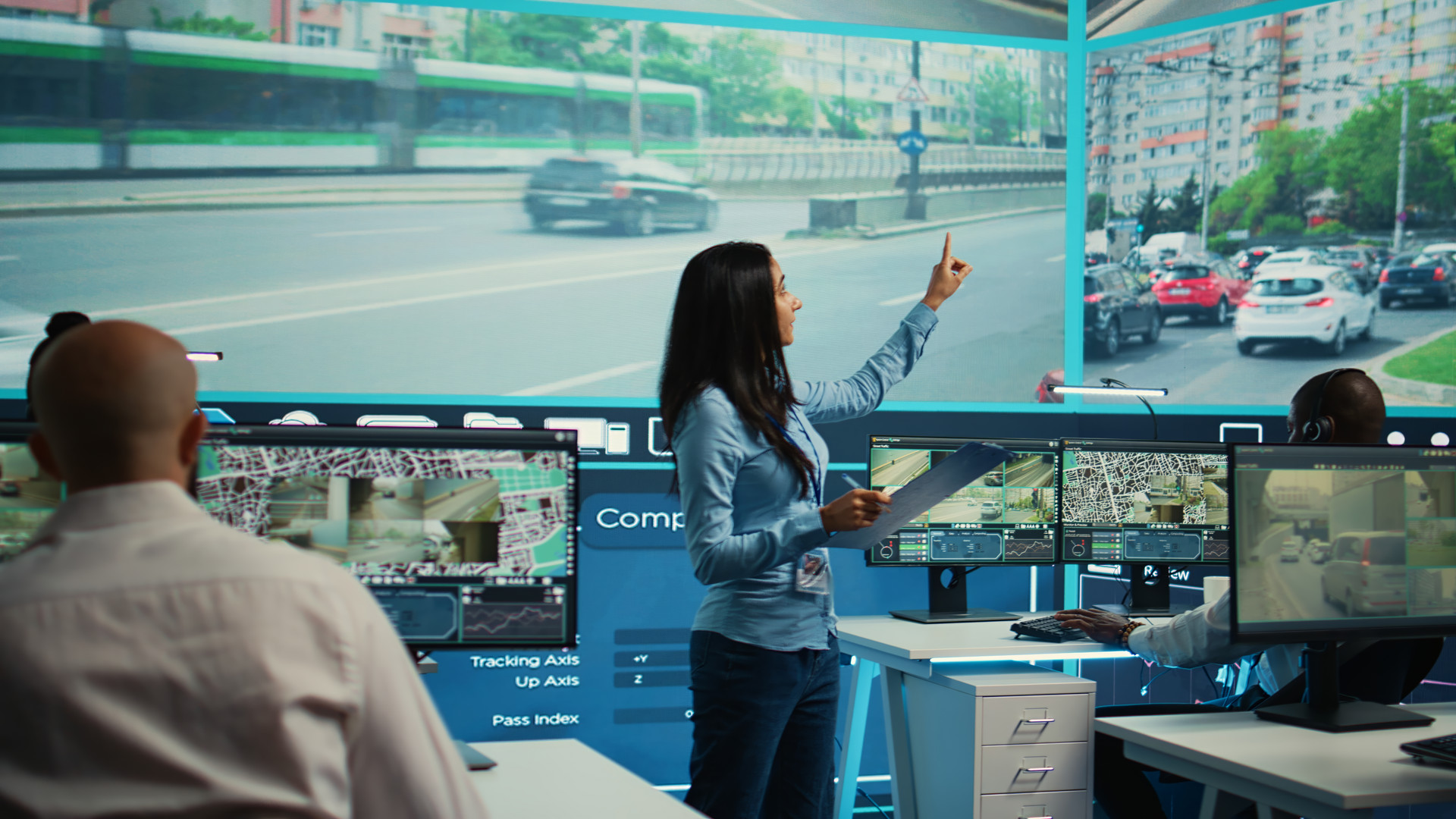


Bankable Feasibility Studies Need More Than Market Size: Why Traffic-Based Sales Projection Is Becoming Essential




Bankable Feasibility Studies Need More Than Market Size: Why Traffic-Based Sales Projection Is Becoming Essential
San Bernardino County’s retail momentum shows that a large population and income growth signal market opportunity but are not sufficient for site-level success. Investors and developers need feasibility studies that translate regional growth into specific site performance projections.
The gap between a strong market and a financeable site
Population and income growth don’t answer how many customers will visit and buy at a specific location. C-Site’s traffic analytics method addresses this by combining trade area insights, competitive analysis, site ranking, demand estimation, and traffic data for a 5-year sales projection focusing on convenience stores, gas stations, QSRs, and car washes.
This approach measures directional traffic volumes, hourly patterns, speed, seasonal fluctuations, customer profiles, and competition, even down to 15-minute traffic intervals for precision decision-making.
Why traffic quality matters as much as traffic volume
Not all traffic is equal. Sites are evaluated on visibility, accessibility, speed patterns, demand, local income, competition, and proximity to points of interest. This is crucial in new growth corridors where customer flow and road network design affect site success.
The methodology distinguishes local versus transit traffic and considers daily and seasonal stability, visitor behavior, and peak demand hours, grounding projections in real traffic behaviors rather than just demographics.
Turning traffic into a sales projection
A bankable projection links traffic data to revenue categories such as fuel, in-store, and car wash sales. C-Site uses traffic volume and visitor rates to estimate potential customers and translates that into sales forecasts tailored to product category demand drivers.
This detailed, traffic-based approach improves the accuracy of feasibility studies and supports better investment decisions for retail site development.